
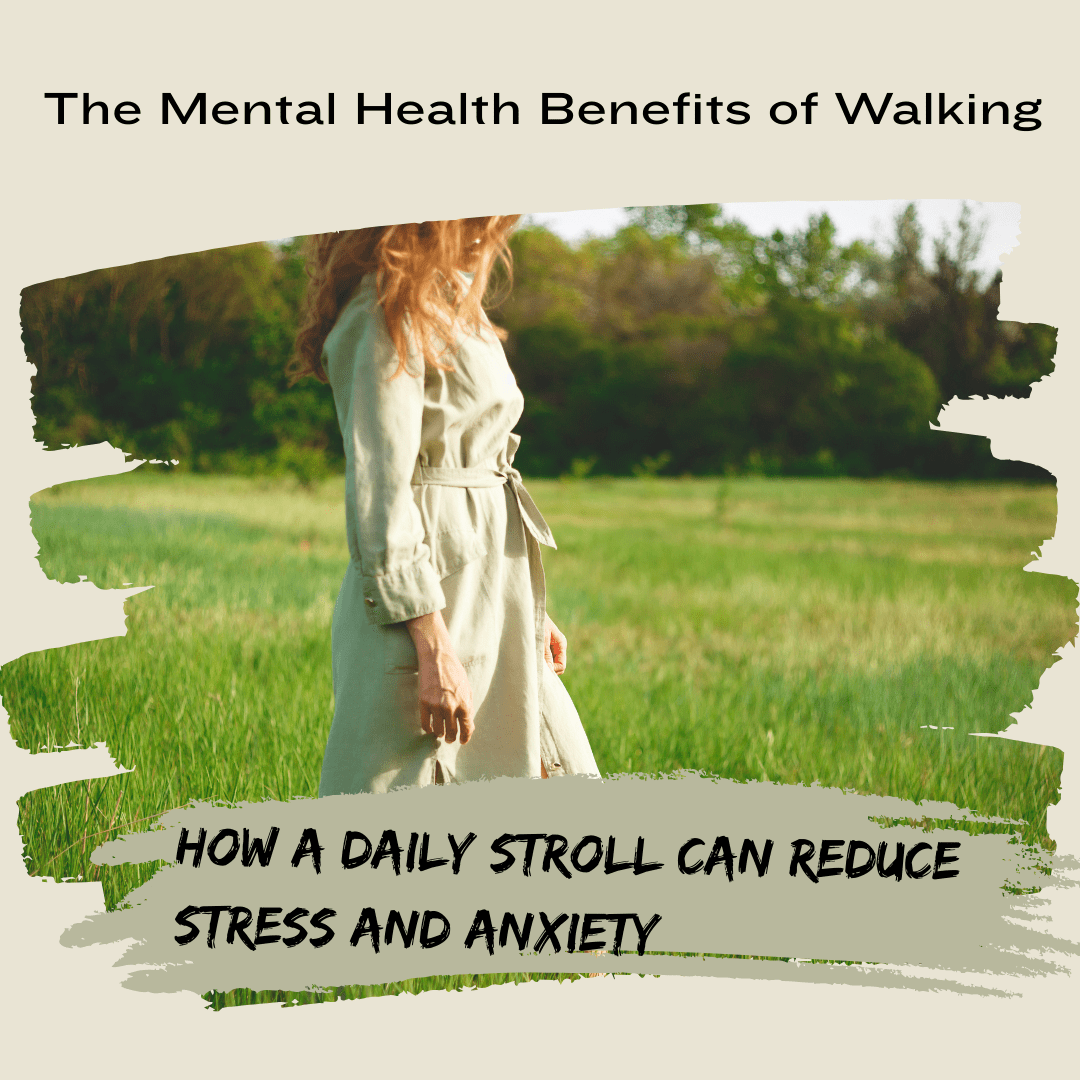
The Mental Health Benefits of Walking
Walking is one of the simplest ways to boost mental well-being. A daily stroll can help reduce stress and anxiety while improving overall mood and clarity. It has been a game-changer in my life. As a mother with a busy schedule, stress can easily pile up. But I’ve found that a simple daily walk clears my mind, eases tension, and helps me feel more balanced. Here’s how:
1. Lowers Stress Hormones
Walking lowers stress levels by reducing cortisol, the stress hormone. Whenever I feel overwhelmed, stepping outside for even 10 minutes helps me reset. Walking in natural surroundings helps clear my mind and makes me feel calmer almost instantly.
2. Boosts Mood Naturally and Fights Depression
It triggers the release of endorphins, the body’s natural “feel-good” chemicals, which reduce anxiety and lift spirits. It also increases serotonin and dopamine levels, which play a role in reducing depression.
Some days are tougher than others. I’ve noticed that a brisk walk always helps me feel lighter. It also makes me feel more positive.
3. Encourages Mindfulness and Creativity
Walking, especially outdoors or without distractions, helps to focus on the current moment, easing anxious thoughts. It allows individuals to focus on their surroundings and inner thoughts. It also sparks creativity, making it a great activity for problem-solving.
I used to overthink a lot, but now, I use my walks to practice mindfulness. I pay attention to the sound of birds. I focus on the rhythm of my steps and feel the breeze on my skin. These actions help me stay focused. They also reduce anxious thoughts.
4. Improves Cognitive Ability
Walking increases blood flow to the brain, improving memory, concentration, and overall cognitive role. It has been linked to a lower risk of dementia and Alzheimer’s disease.
After a long day, my mind often feels foggy. Walking helps clear that mental clutter, making it easier to focus and solve problems. Some of my best ideas have come to me while walking!
5. Relaxes the Body and Improves Sleep Quality
Stress often builds up in the body, causing muscle tension. Walking reduces muscle tension, regulates breathing, and promotes overall physical relaxation. Regular walking improves sleep quality by regulating the body’s circadian rhythm. It makes it easier to fall asleep and helps to enjoy a restful night.
I’ve noticed that after a good walk, my shoulders feel lighter and my breathing is deeper. I sleep much better at night.
6. Strengthens Social Connections
Walking with a friend or in a group can combat loneliness and boost mental well-being.
How to Make Walking a Habit
• Start with just 10–15 minutes a day.
• Choose scenic routes or listen to motivational podcasts or a book.
• Walk with a friend or pet for added enjoyment.
• Use a pedometer or fitness tracker to stay motivated.
• Set a goal, like reaching 7,000–10,000 steps daily.
Final Thoughts
A simple walk can make a big difference in your mental health. It requires no special equipment, and can easily fit into daily life. No matter how busy life gets, I make sure to take that daily stroll. It’s my little escape. It’s my therapy. It’s my way of keeping stress in check. If you’re feeling overwhelmed, I encourage you to step outside, take a deep breath, and just walk. It truly makes a difference.
Would you like any refinements to better fit your voice?


Leave a Reply