How To Escape Burnout by Setting Boundaries
Many of us know the feeling all too well. We’re doing everything for our kids, our homes, our families, and our communities. Yet, there’s barely anything left for ourselves.
If you’ve ever:
- Said yes when you really wanted to say no
- Felt resentment after over committing
- Struggled to rest without guilt
…you’re not alone.
A 2021 Deloitte Global Women at Work survey revealed that 51% of women reported being more stressed. This is a higher level of stress than they had a year prior. Additionally, 46% said they felt burned out. Another study from the American Psychological Association showed that women are more likely to report physical symptoms of stress. They also report emotional symptoms. These symptoms include fatigue, anxiety, and depression. Women report these symptoms more often than men.
When Saying “Yes” Feels Easier Than Saying “No”
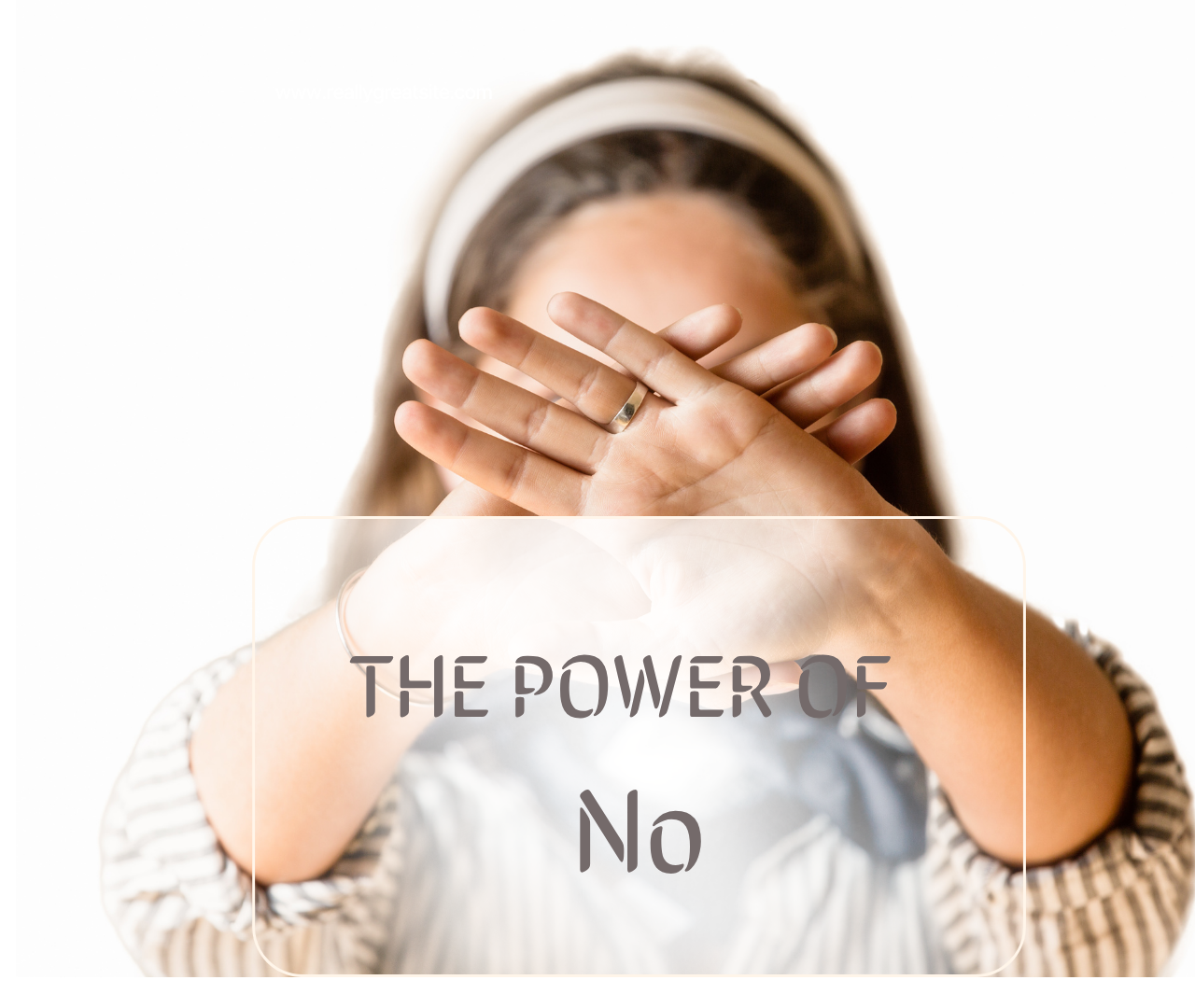
Women, especially mothers and caregivers, are culturally conditioned to prioritize others. We’re praised for being selfless, but not for being self-respecting. Over time, this conditioning leads to chronic burnout, emotional exhaustion, overcommitment, resentment, and even identity loss. Saying no isn’t selfish, it’s sacred. It’s a way to protect your energy, values, and time. When you say no to things that drain you, you’re saying yes to:
Your well-being
Your purpose
Your peace
The people and priorities that matter most
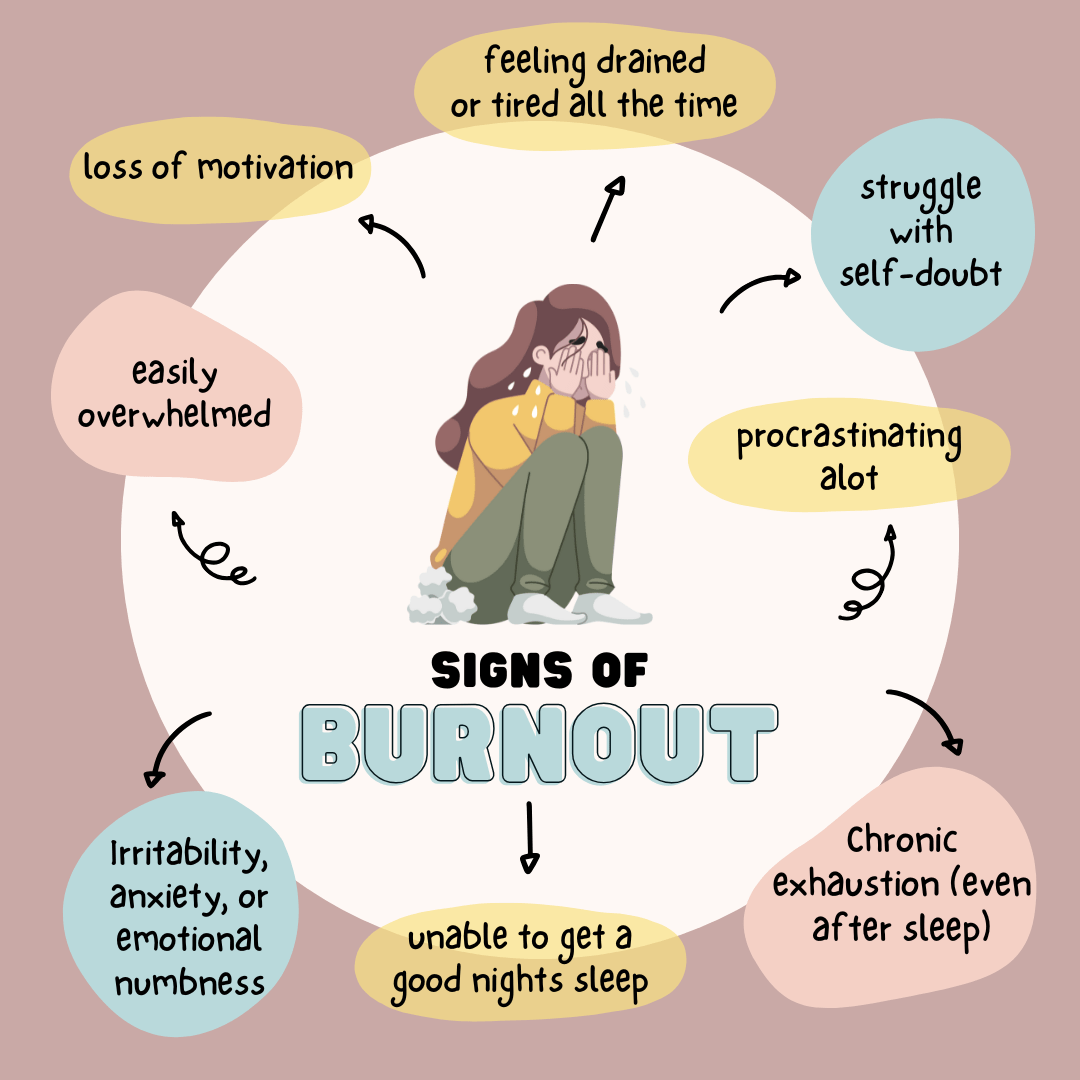
What Boundary Burnout Looks Like in Women?
Boundary burnout isn’t just being tired. It’s when even rest no longer feels restorative. It happens when the invisible line between what we give and what we need becomes blurred or erased. It shows up as:
Why Boundaries Matter, More Than Ever
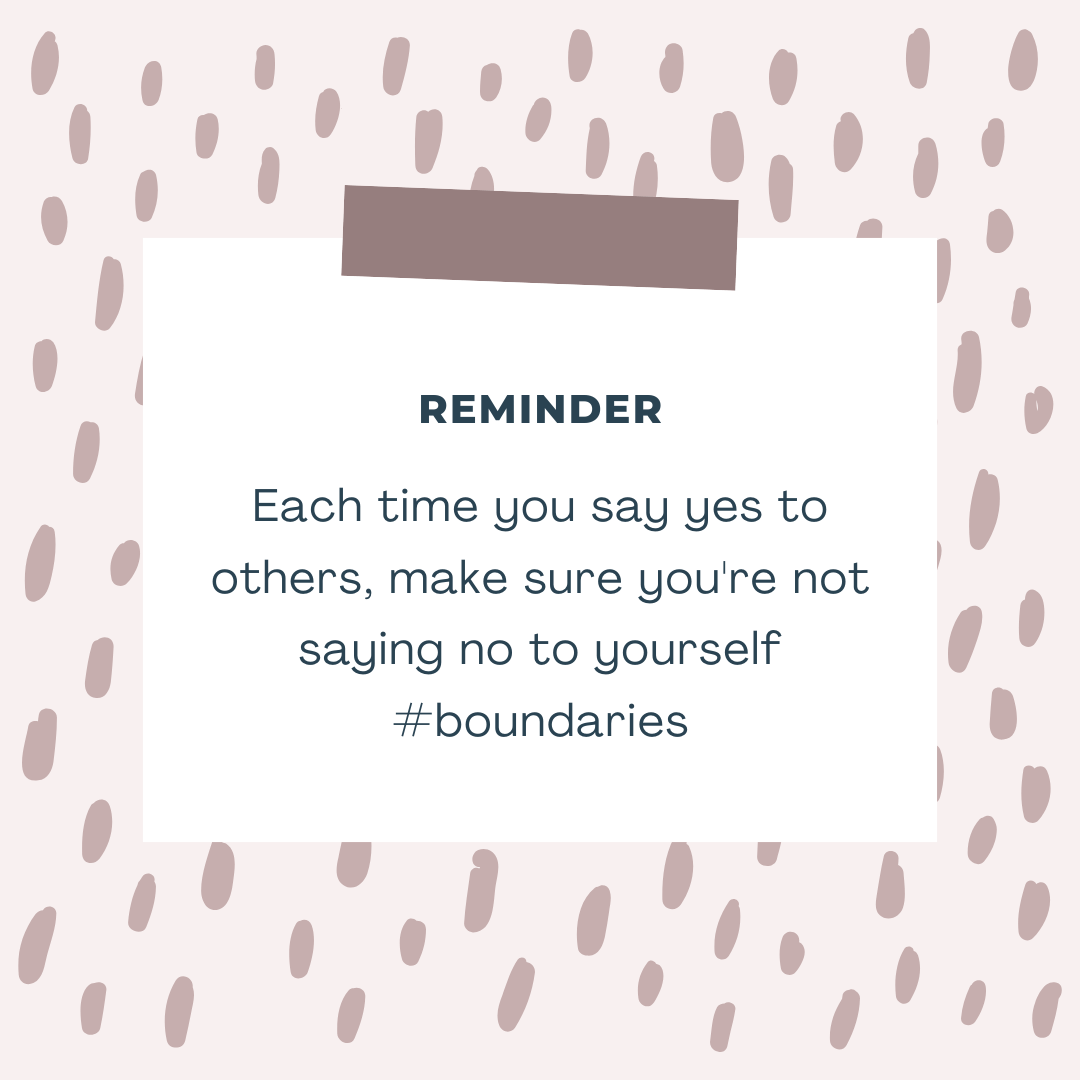
Boundaries are limits that protect your emotional, mental, and physical energy. They’re not barriers to keep others out; they’re doors that allow you to decide who and what enters your life. They’re bridges to a healthier, freer life.
They are how we:
1. Reclaim our time
2. Protect our peace
3. Teach others how to treat us
4. Respect our mental energy.
5. Conserve our physical energy.

And here’s the truth: People who truly care about your well-being will honor your limits. But those who push back or guilt-trip you often do so when you set boundaries. They are the ones who were taking advantage of you when you had none.
Example:
If you always say yes to helping a friend. Then one day you say, “I can’t today, I need rest.” If they react with guilt or anger, they weren’t respecting you. They were enjoying your lack of boundaries.
My Journey from Burnout to Boundaries
For years, I said yes to everyone, family, friends, in-laws, school obligations, social invites, and unspoken expectations. I’ve struggled with setting boundaries for years. I thought I was doing the right thing by being available, kind, and “easy to work with.” But slowly, I felt my energy draining. I felt resentful, disconnected from myself, and I was exhausted, not just physically, but emotionally and mentally. Sound familiar?
The breaking point came when I realized I was dreading things I once loved. I was showing up, smiling, getting things done, while feeling completely disconnected inside. My body was exhausted, my patience thin, and my joy gone. In that moment, I couldn’t ignore the truth anymore; I wasn’t overcommitted by accident. I was overtiring out of habit.
That was the shift. I understood that every unintentional “yes” was quietly costing me my health, my energy, and my peace. Saying “no” became an act of self-respect, not resistance.
I still remember a powerful quote I read about setting boundaries: “A boundary is not a rejection. It’s a form of self-respect.”
That quote stayed with me. And when I finally decided to apply it in real life, everything changed. I started setting simple boundaries, first quietly, then confidently. I created space to rest, read, and reconnect with myself. Try not to take phone calls during family meals. I started blocking out time for rest, not just tasks. I began saying “I’ll think about it” before immediately agreeing. I started respectfully declining events or favors that drained me. And guess what?
The world didn’t fall apart. But my life came together. Most people respected it, or at least adjusted. The ones who didn’t? It revealed what kind of relationships I was in.
How to Say No Without Guilt
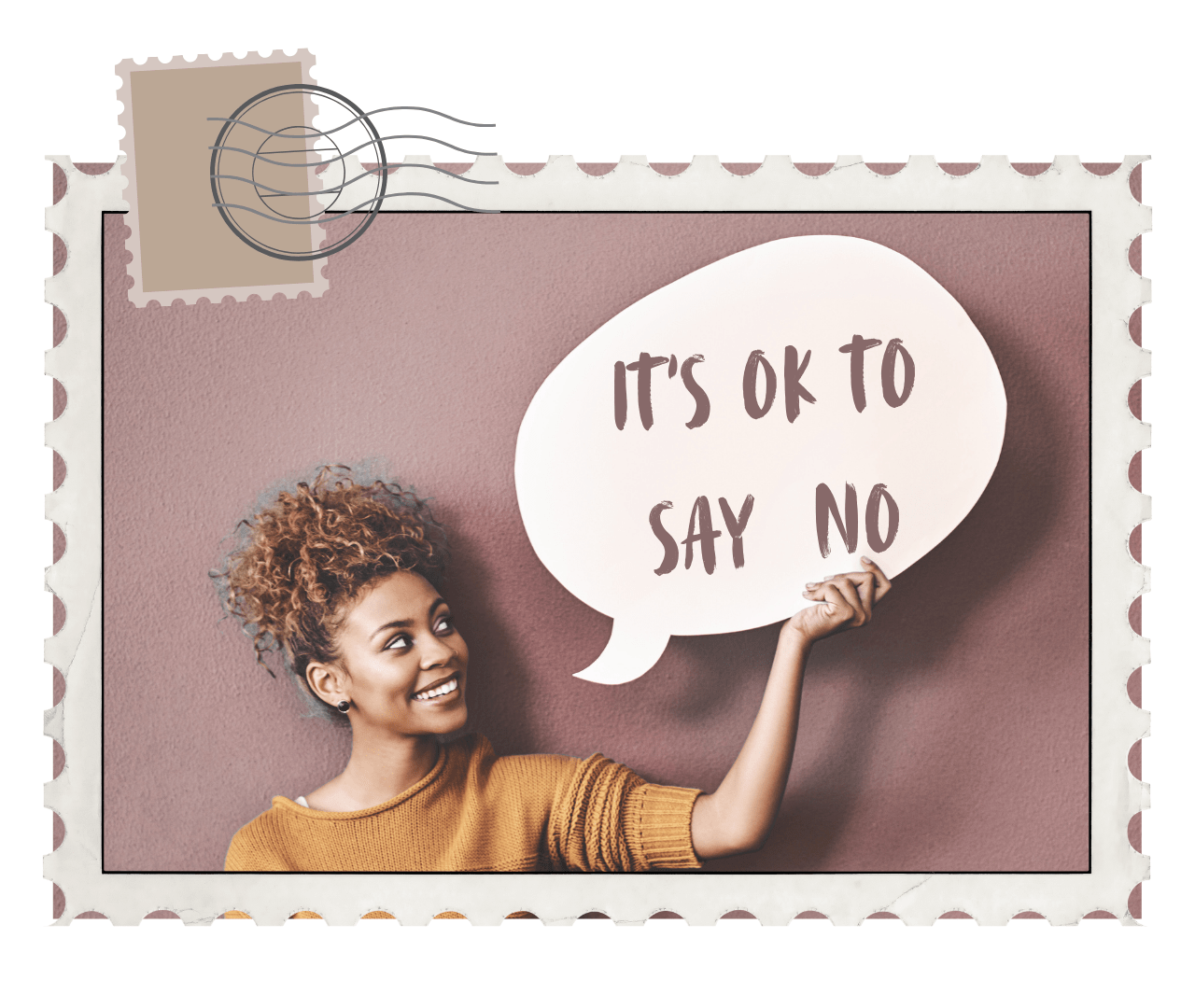
Saying no isn’t rejection, it’s protection. It’s an act of self-love. When we say no, we create space for our purpose and grow stronger, not harder. We teach our children how to protect their peace.
Here are three beginner-friendly tips:
1. Start Small
Say no to a non-essential request, an extra task, and guilt-tripping. Say no to things that steal your time without adding meaning. Practice in low-stakes situations. Choose one area of your life where you feel overwhelmed and set one clear boundary.
2. Use Kind But Firm Language
Here are a few scripts. You can try:
- “I appreciate you thinking of me, but I can’t take that on right now.”
- “I’m prioritizing rest this week, so I won’t be able to join.”
- “That’s not something I can help with right now.”
- “That doesn’t work for me. I’ll have to pass.”
3. Let Go of Guilt
You are not responsible for other people’s reactions to your boundaries. Remember, you are teaching others how to treat you. Every time you honor your own limits, you model self-respect and invite others to do the same.
4. Pause Before Saying Yes
Buy yourself time with and ask: “Do I want to do this? Do I have the capacity for it?” If your body tightens or your heart says no, listen.“Let me check my schedule and get back to you.”
6 Boundaries Every Woman Deserves
- Time boundaries:
“I’m not available after 7 p.m.” - Emotional boundaries:
“I can’t absorb this emotional load right now.” - Social boundaries:
“I’m skipping this event to recharge.” - Family boundaries:
“I need some space and will check in when I’m ready.” - Technology boundaries:
“I’m turning off notifications for the weekend.” - Self-boundaries:
“I will not talk negatively to myself today.”
The Science Behind Boundaries and Wellness
A study published in the Journal of Health Psychology was conducted. It found that people with strong personal boundaries report lower rates of anxiety. The study indicates lower rates of depression and chronic fatigue. They also report higher self-esteem and relationship satisfaction.
Brené Brown is a renowned researcher and author. She states, “Daring to set boundaries is about having the courage to love ourselves. We must love ourselves even when we risk disappointing others.”
The American Psychological Association conducted another study. It links poor boundary-setting with emotional exhaustion. This is especially true for women balancing unpaid domestic labor. Setting boundaries isn’t just emotional work; it’s essential to our physical and mental well-being.
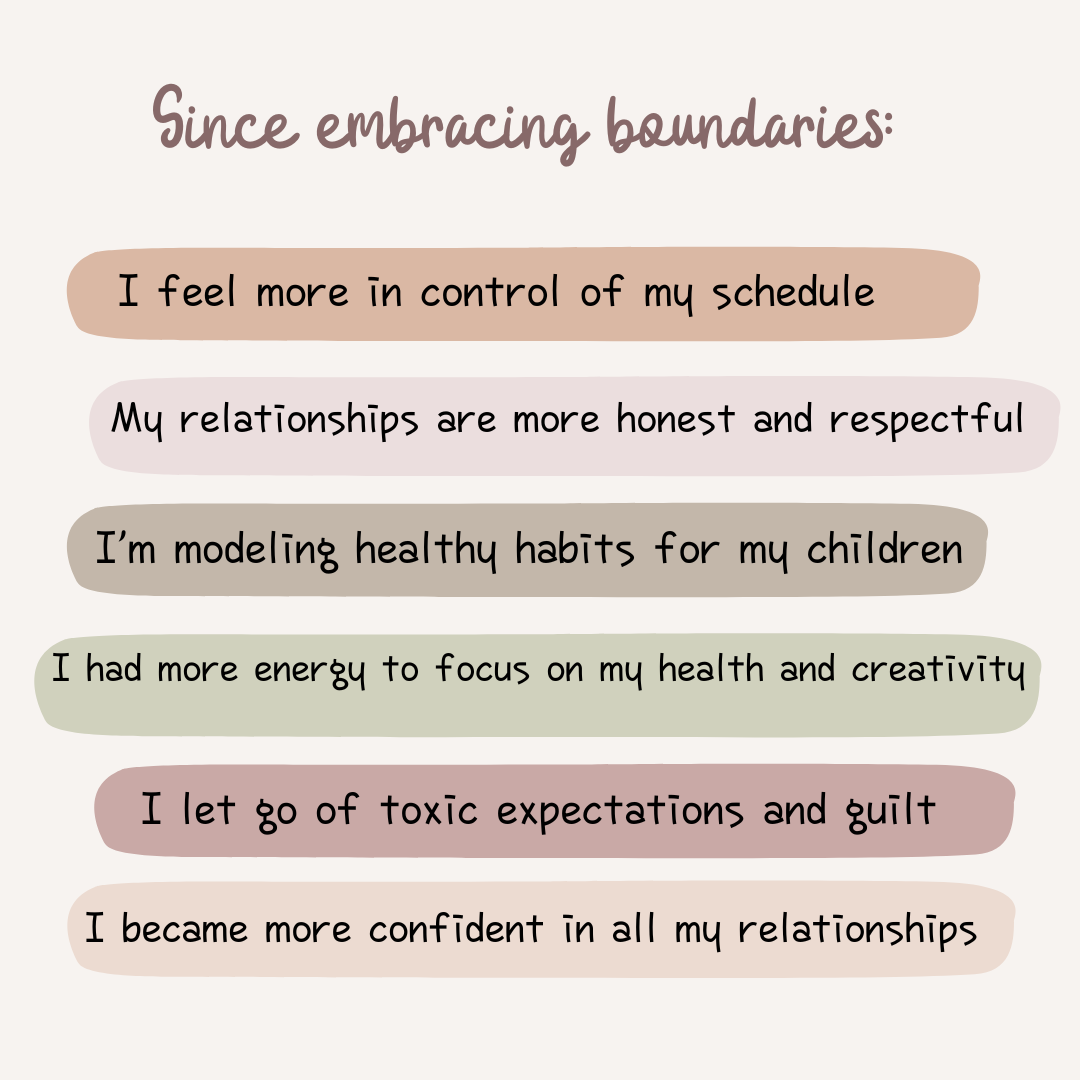
Real-Life Benefits I’ve Noticed
Boundaries didn’t make me cold or distant. They made me available, grounded, and joyful. They didn’t isolate me; they brought me back to myself.
Final Thought: Your Peace is Worth Protecting
From burnout to boundaries, the path isn’t always easy, but it is worth it. Saying no isn’t selfish, it’s self-respect. Boundaries protect your time, your peace, and your energy. And when you honor your needs, you permit others to do the same. Start small, stay firm, and remember: you don’t need to burn out to be worthy of rest.
You deserve to feel whole again.


Leave a Reply