

Transform Your Space: Simple Changes That Boost Well-being at Home
We often talk about self-care through food, routines, or fitness, but what about the space we live in?
Creating a wellness-friendly home environment isn’t about expensive renovations or perfectly styled corners. It’s about turning your home into a space that supports your mind, body, and spirit, every single day.
As a stay-at-home mom of four, I’ve spent more time inside my home than most people do in a decade. I’ve seen firsthand how a chaotic, cluttered environment can wear down your energy. Even tiny shifts can breathe new life into your day. I needed my home to support my wellness, not sabotage it. That’s when I started focusing on the science of space. I began noticing how our homes influence our mental health. They also affect our physical energy and emotional peace.
Here are 7 simple, science-proven ways to transform your space into a calming, wellness-friendly retreat.
1. Let the Light In: A Natural Antidepressant
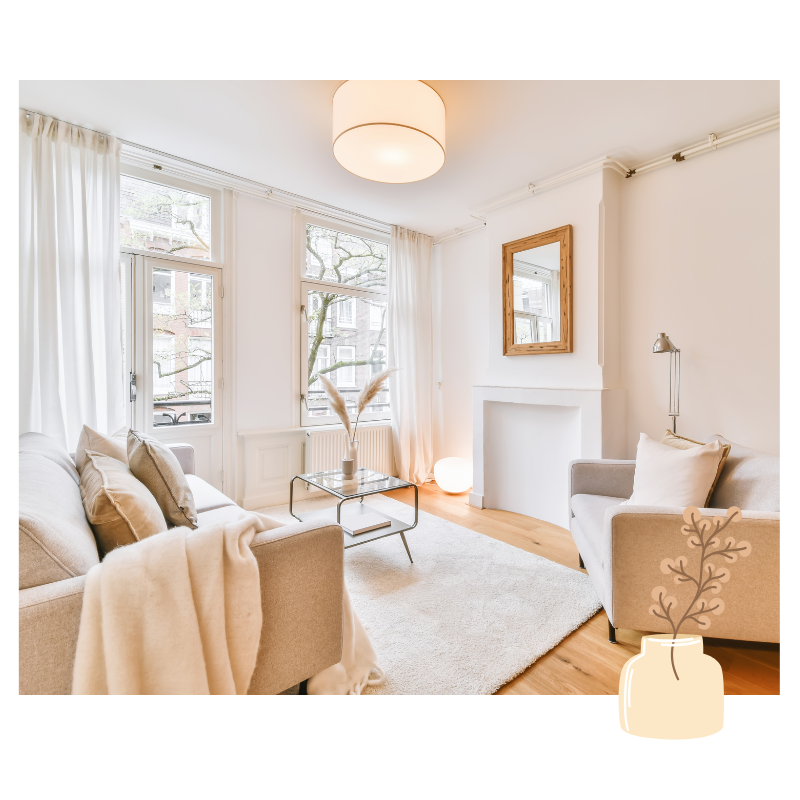
Exposure to natural light isn’t just about ambiance; it’s vital for mental health. One of the first changes I made was making light a priority. I used to keep my curtains drawn without realizing how much I was starving myself of natural light.
Letting in natural light isn’t just about making your home look nice; it’s really important for your mental health too. One of the first things I changed in my home was how much light I let in. I used to keep the curtains closed. I didn’t realize I was missing out on sunlight. My body and mind really needed this sunlight.
According to a 2020 study in Environmental Health Perspectives, natural light exposure improves mood, sleep, and focus. It helps regulate our circadian rhythm, which is essential for energy during the day and restful sleep at night.
Try this:
- Keep window areas clear of clutter to maximize light.
- Use sheer curtains or light-diffusing blinds.
- Add mirrors to reflect and spread natural light across the room
- Setting a “light ritual” every morning, opening blinds
2. Air Quality: Clear Air, Clear Mind
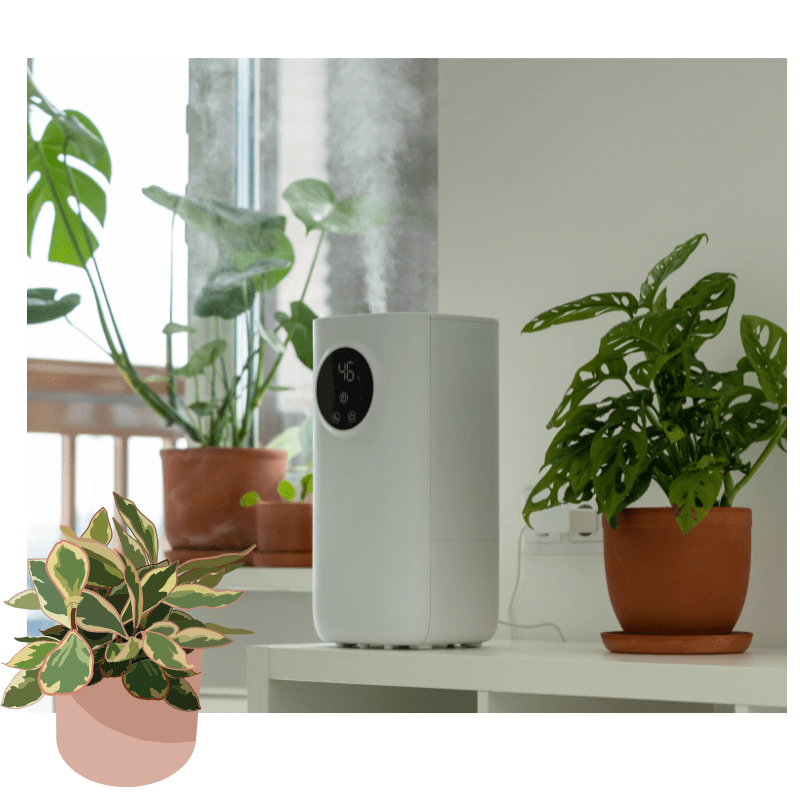
According to the EPA, the air inside our homes can be very polluted. It can be 2 to 5 times more polluted than the air outside. This is because of things like dust, cleaning products, and not enough fresh air coming in. Poor air quality has been linked to fatigue, anxiety, and poor concentration. I started noticing how stuffy the air felt, especially during winter months when windows stayed shut. I looked into it and was shocked. The EPA reports that indoor air can be up to 5 times more polluted than outdoor air.
My air-refreshing habits now include:
- Add air-purifying plants like spider plant, peace lily, or snake plant (NASA’s Clean Air Study highlights their purifying effects)
- Use an air purifier in high-traffic areas or bedrooms.
- Avoid synthetic air fresheners or cleaning products with harsh chemicals, opt for natural alternatives like vinegar, lemon, and essential oils.
- Opening windows for at least 10 minutes a day, even in winter
I instantly noticed less fatigue and fewer headaches just from improving air circulation.
3. Color Psychology: What You See Shapes How You Feel
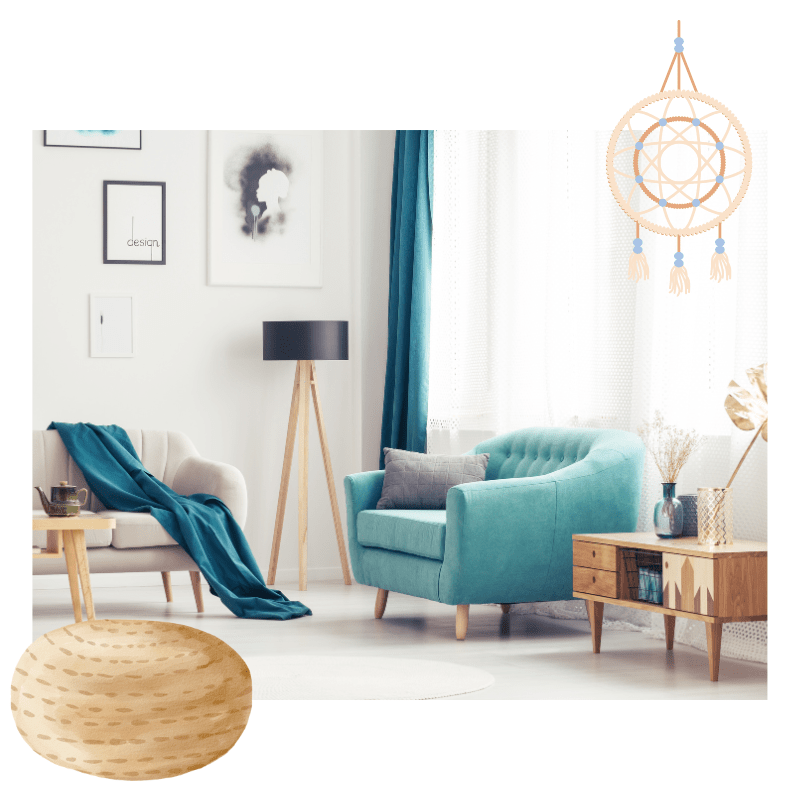
Colors in your home aren’t just aesthetic; they shape your emotional landscape. Research in the Journal of Environmental Psychology shows that blues, greens, and earth tones can help reduce stress. These colors also create a sense of calm. Meanwhile, pops of yellow or orange can uplift mood and encourage creativity. I never realized how overstimulating my color palette was, with bright and dark accents everywhere. I gently shifted to softer tones.
My favorite updates, Try it:
- Choose calming tones for bedrooms and bathrooms.
- Add warm, energizing accents in workspace or kitchens.
- Avoid overstimulating, saturated reds or blacks in areas meant for relaxation.
- Soft cream, sage green for dining nook
- Beige and blue accents in the living room
This change alone made our space feel instantly more soothing.
4. De-cluttering = De-Stressing
Clutter isn’t just visual noise; it raises cortisol levels. I used to underestimate how deeply clutter affected my energy. I read a well-known study by UCLA’s Center on Everyday Lives of Families (CELF). The study found that women who described their homes as “cluttered” had increased stress and lower overall well-being. It clicked for me.
My strategy: Try this,
- Tackle one space a week, start small (a drawer, not the whole closet).
- Use baskets or labeled bins to keep things visually clean.
- Create a daily “reset” ritual, 10 minutes each evening, to clear surfaces and set the mood for rest.

5. Sounds and Silence: Create a Quiet space
Noise pollution, even indoors, can lead to chronic stress. As a mom, quiet felt like a luxury. But I realized I curate sound the same way I curated light or scent.
A study in The Lancet Planetary Health linked long-term noise exposure to increased anxiety and poor cardiovascular health.
Try this:
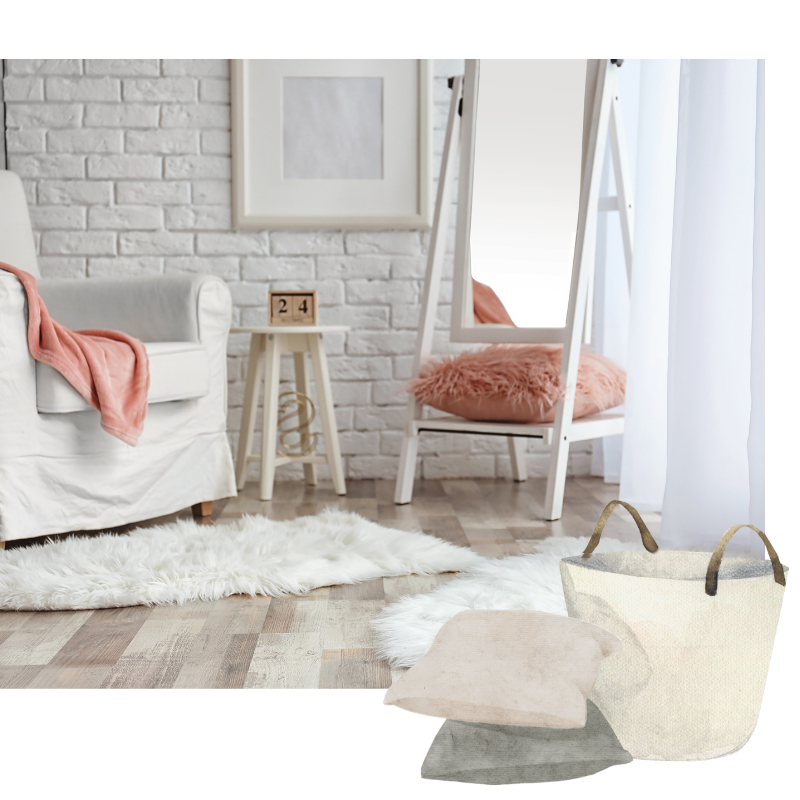
- Use soft rugs, curtains, and textiles to absorb sound.
- Turn off unnecessary background noise, especially from loud appliances.
- Turning off background TV when no one is watching (game-changer!)
6. Nature Inside: Biophilic Design
Biophilic design, a concept that connects humans with nature, is shown to lower heart rate, reduce stress, and enhance focus. A 2019 study in Building and Environment confirmed that home environments with natural elements improve emotional resilience. They also lower heart rate and reduce anxiety.
My ways to bring nature in: Try this:
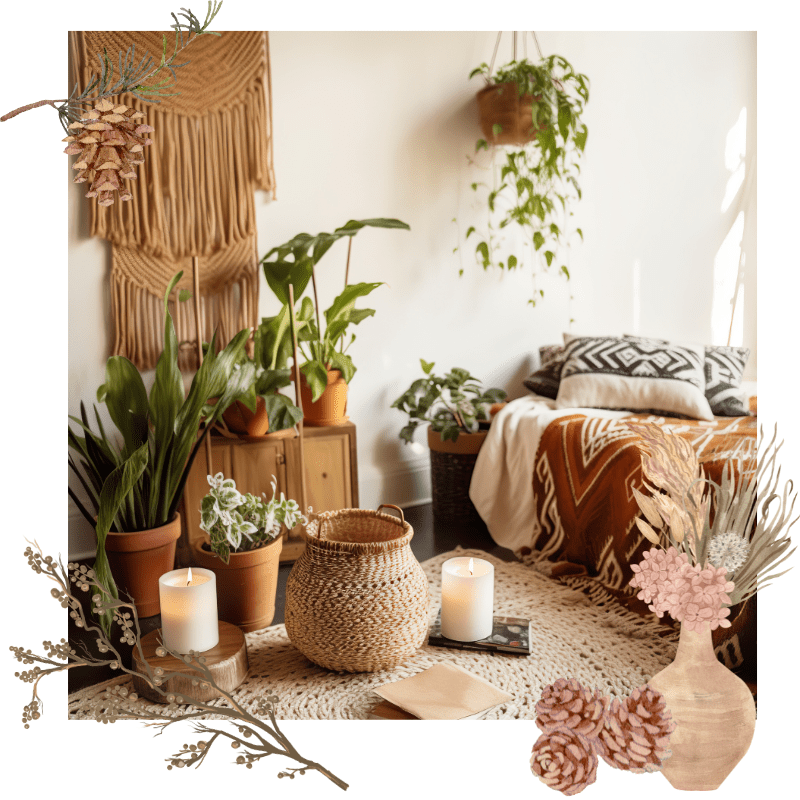
- Bring in natural textures like wood, stone, or rattan.
- Show fresh plants, flowers, pine cones, or branches from a walk.
- Set up a small indoor herb garden, functional and therapeutic!
I’ve noticed how calmer my home is with adding these small natural elements.
7. Mindful Corner: A Space for Stillness
In a busy household, carving out even a small nook for reflection can be powerful. Studies show that intentional rest spaces promote nervous system recovery and mental clarity. A 2020 Frontiers in Psychology study showed that spending a short time in silent, nature-inspired spaces supports the nervous system. It also boosts mood and clarity. (Naor & Mayseless, 2020).
Make it simple, try this:
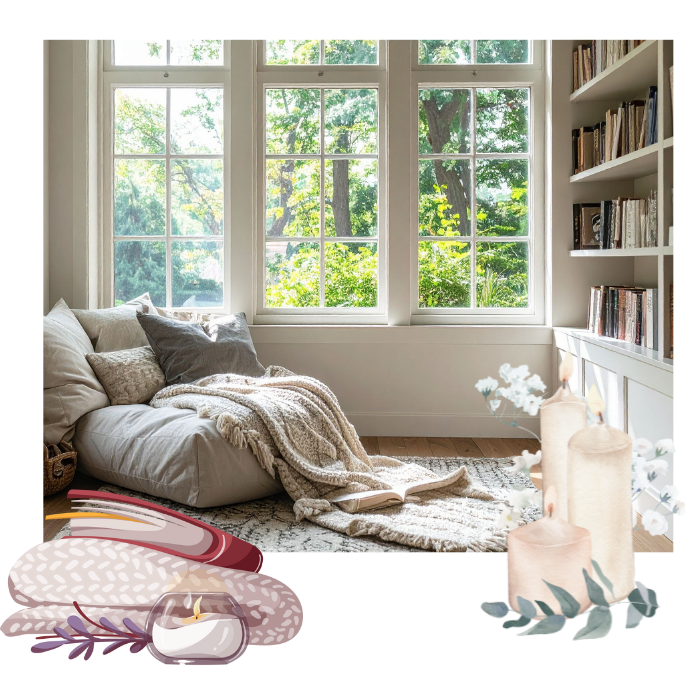
- Pick a corner and create a small “wellness nook” in any area of the house. Use it as a reading nook, prayer space, or meditation corner.
- Add just a cushion, a candle, or a journal
- Use soft textures, calming scents, and warm light
- Make this your phone-free, judgment-free zone.
- Use it to reflect, stretch, or sip tea in silence every day, even if just for a few mindful breaths
Final Thoughts: Wellness Begins at Home
Your home is not just where you sleep, it’s where you live, heal, connect, and recharge.
You don’t need to redecorate your entire house to feel better. Even one small change, a cleaner surface, a plant, a mindful corner, can ripple into your overall well-being.
By intentionally shaping your surroundings, you’re choosing to make your home a partner in your healing. You’re not allowing it to become a source of overwhelm.



Leave a Reply